
 See Our Latest Article on HelloNation

How Can Chiropractic Care Help with Arthritis for Residents in Dryden, NY?
Chiropractic approaches can offer support for managing discomfort and mobility challenges related to arthritis. In Dryden, NY, local residents often experience arthritis symptoms that can be influenced by our seasonal changes, daily routines, and the layout of area homes. Chiropractic care does not "cure" arthritis, but it may help improve joint movement, reduce stiffness, and support better function for many people.
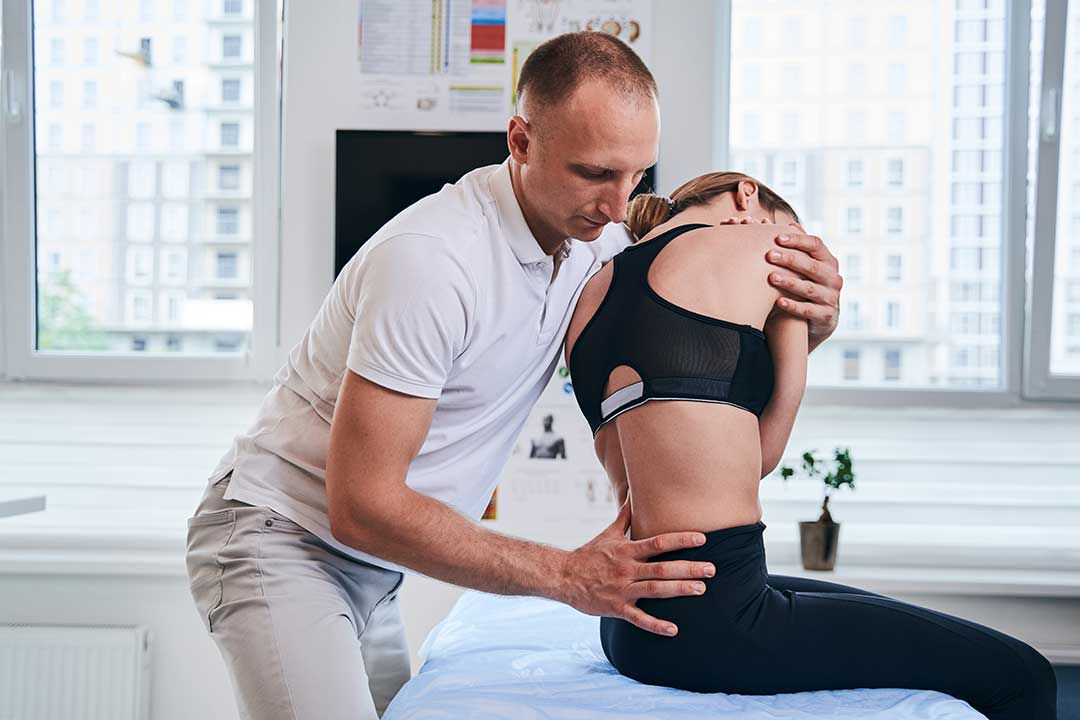
Chiropractic practitioners commonly use gentle, controlled techniques aimed at reducing stress on joints and surrounding tissues. This can be especially beneficial in the context of the region’s colder months, when many area residents notice increased stiffness and discomfort.
What Chiropractic Methods Are Used for Arthritis Support?
The most common methods include manual adjustments, soft tissue therapies, and movement-based exercises. Chiropractors generally avoid forceful manipulations on severely arthritic joints. Instead, the focus may be on:
- Low-force or instrument-assisted adjustments to encourage healthy mobility
- Soft tissue mobilization to relieve muscle tension around painful joints
- Posture guidance to reduce unnecessary strain
- Individualized stretches or strengthening exercises to support joint stability
For those living in Dryden, adapting these techniques to fit the ways households heat and use their homes during the winter, or to account for the impact of outdoor chores and seasonal yard work, can make a practical difference.
Are There Simple At-Home Tips to Manage Arthritis Symptoms Alongside Chiropractic Care?
Yes. Several habits and modifications can make daily life easier and may complement chiropractic strategies:
- Keep active with light movement: Gentle range-of-motion exercises can help counteract morning stiffness, a common complaint given the region’s chilly mornings.
- Use heating pads or warm showers: Especially during long winters, warmth provides temporary joint relief for many area residents. Just be cautious to avoid burns.
- Adapt home environments: Tools like jar openers, slip-free rugs, and padded grips make kitchens, bathrooms, and entryways more arthritis-friendly.
- Wear supportive footwear: With mixed terrains and icy sidewalks typical in Dryden, shoes with good support and non-slip soles can help protect joints during errands or walks.
- Take breaks during repetitive activities: Whether shoveling snow or gardening, avoiding long stretches reduces overexertion and irritation for stiff joints.
These approaches help control symptoms day-to-day and support an active lifestyle in the community.
What Should Residents Know About Chiropractic Care and Safety with Arthritis?
Safety is a common concern for those considering chiropractic care for arthritis. Chiropractors evaluate each individual's health history, arthritis severity, and specific joints involved before performing any hands-on technique. In advanced arthritis or with joint instability, practitioners may recommend modifications or refer for additional medical assessment.
Some misconceptions exist—such as the idea that all chiropractic adjustments involve forceful joint cracking, or that this care is inappropriate for older adults with arthritis. In reality, many local residents benefit from gentle techniques or movement therapies tailored to joint health and comfort level.
Those taking blood-thinners or with osteoporosis should mention these conditions to any healthcare provider, as this could influence care recommendations.
How Does Climate in Dryden Affect Arthritis and Chiropractic Planning?
Dryden’s humid, cold winters and variable spring temperatures often impact the way arthritis feels for residents. It is common for joint stiffness and aches to increase during periods of dampness, with symptoms easing on milder, dry days. Schedules that incorporate regular indoor stretches, movement breaks, and gentle heat application are helpful strategies through the colder months.
Because changing weather can also impact circulation and energy, local residents benefit from flexibility in their activity routines. For instance, planning outdoor walks when sidewalks are safest, or spacing out errands rather than tackling them all at once, makes symptoms more manageable and reduces risk for slips or joint strain.
Can Chiropractors Offer Exercise Guidance for Arthritis?
Many chiropractors have training in rehabilitative exercise suitable for arthritis and can help area residents develop personalized routines. The emphasis is usually on:
- Safe, low-impact activities—such as walking, water exercise, or gentle cycling
- Stretching routines to maintain flexibility in common problem areas (knees, hips, hands)
- Building muscle strength for joint support, especially for hips, knees, and shoulders
- Adapting exercises to fit home layouts or available community spaces
Exercising in short, frequent intervals may be more comfortable than longer sessions. For those new to movement or with significant joint changes, starting with modified versions and progressing gradually is encouraged.
What Local Factors Should Residents Consider When Managing Arthritis?
Dryden’s blend of rural and residential living presents both opportunities and challenges for arthritis management. Some relevant considerations include:
- Home maintenance tasks: Heavy lifting, snow shoveling, and gardening can aggravate arthritis if not done with attention to joint health. Residents can mitigate stress by pacing chores and using ergonomic tools designed for joint protection.
- Access to green spaces or trails: Staying active outdoors can benefit arthritis, but uneven paths or icy conditions may require extra caution.
- Seasonal adaptation: Adjusting routines with each season—such as taking advantage of community activities during milder weather or shifting to indoor exercises in winter—enhances year-round arthritis management.
By blending chiropractic strategies with awareness of local climate, resources, and daily living patterns, residents can better support their joint health and quality of life.
