
 See Our Latest Article on HelloNation
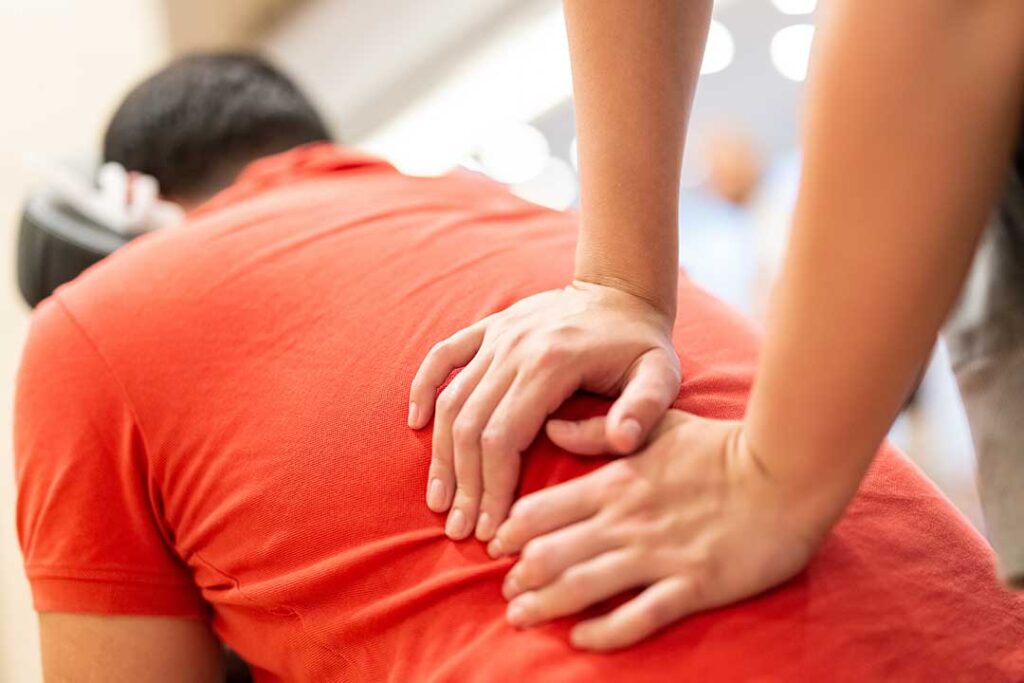
Back pain is common during pregnancy, but severe, sudden, or persistent pain should not be dismissed. Safe relief usually combines gentle movement, better body positioning, appropriate heat or cold, and guidance from the pregnancy care team when symptoms do not improve. ([acog.org](https://www.acog.org/womens-health/faqs/back-pain-during-pregnancy?utm_source=openai))
Why does pregnancy cause back pain?
Pregnancy changes the way the body carries weight. As the uterus grows, the center of gravity shifts forward, abdominal muscles stretch, and the lower back may arch more than usual. Pregnancy hormones also loosen ligaments around the pelvis, which can make joints feel less stable. These changes may create soreness in the lower back, pelvis, hips, or buttocks. ([acog.org](https://www.acog.org/womens-health/faqs/back-pain-during-pregnancy?utm_source=openai))
Daily routines can add to the strain. Standing for long periods, lifting laundry baskets, carrying a toddler, walking on uneven ground, or sitting in a poorly supported chair may increase discomfort. In Dryden, seasonal conditions can also affect routines: icy walkways in winter may encourage guarded movement, while outdoor chores during warmer months can involve bending, lifting, and prolonged standing.
What can relieve back pain safely at home?
Small adjustments often help more than complete bed rest. Try changing position regularly instead of remaining seated or standing for long periods.
Useful strategies include:
- Sit in a chair with firm back support, or place a small cushion behind the lower back.
- Keep both feet supported when sitting and avoid slouching.
- When standing, keep the knees slightly bent and the shoulders relaxed.
- If standing for a long time, rest one foot on a low step or stable object, then switch sides.
- Wear supportive shoes with a low heel and good arch support.
- Avoid high heels and footwear that makes balance difficult.
- Ask for help with heavy loads, especially wet laundry, snow-related tasks, or large household items.
To lift something light, move close to it, squat by bending the knees, and rise using the legs while keeping the back as straight as comfortable. Avoid bending at the waist and twisting while carrying. ([acog.org](https://www.acog.org/womens-health/faqs/back-pain-during-pregnancy?utm_source=openai))
Is walking or exercise helpful during pregnancy?
For many people with an uncomplicated pregnancy, gentle physical activity can reduce stiffness and help maintain the strength of the back, hips, abdomen, and legs. Walking, swimming, water exercise, and pregnancy-appropriate stretching are commonly used options. Water exercise may feel especially comfortable because the water supports part of the body’s weight. ([acog.org](https://www.acog.org/womens-health/faqs/back-pain-during-pregnancy?utm_source=openai))
Begin gradually if exercise was not part of the routine before pregnancy. A comfortable pace is one at which conversation remains possible. Stay hydrated, avoid overheating, and stop if an activity causes pain rather than mild muscle fatigue.
A gentle hands-and-knees movement may help some people:
1. Place the hands under the shoulders and knees under the hips.
2. Keep the neck relaxed and the back in a neutral position.
3. Gently draw in the abdominal muscles and round the back slightly.
4. Hold briefly, then return slowly to a comfortable neutral position.
5. Repeat up to 10 times only if the movement remains comfortable.
Exercise should be cleared with the obstetric care team when there are pregnancy complications, activity restrictions, or uncertainty about what is safe. Stop and seek medical guidance for warning signs such as vaginal bleeding, fluid leakage, regular painful contractions, dizziness, chest pain, significant shortness of breath, calf swelling, or weakness affecting balance. ([acog.org](https://www.acog.org/clinical/clinical-guidance/committee-opinion/articles/2020/04/physical-activity-and-exercise-during-pregnancy-and-the-postpartum-period?utm_source=openai))
What sleeping positions may reduce discomfort?
Side sleeping often places less stress on the lower back later in pregnancy. Keep one or both knees slightly bent, and consider placing a pillow between the knees and another under the abdomen. A pillow behind the back may make it easier to remain on the side. ([acog.org](https://www.acog.org/womens-health/faqs/back-pain-during-pregnancy?utm_source=openai))
Comfort is also affected by the mattress, pillow height, and the effort required to get in and out of bed. Turning the whole body together, rather than twisting sharply at the waist, may reduce strain. If a sleeping position causes numbness, worsening pain, or breathing discomfort, change position and discuss it with the care team.
Can heat, cold, massage, or chiropractic care help?
A wrapped cold pack may calm soreness after activity, while low-level warmth may relax tight muscles. Use a heating pad or warm water bottle on the lowest comfortable setting, keep it wrapped in cloth, and use it for limited periods. Avoid overheating the body, hot tubs, and prolonged high heat during pregnancy. ([acog.org](https://www.acog.org/womens-health/faqs/back-pain-during-pregnancy?utm_source=openai))
Gentle massage may provide short-term comfort, particularly when muscle tension contributes to the pain. Pressure should remain comfortable, and the person providing massage should know that the individual is pregnant.
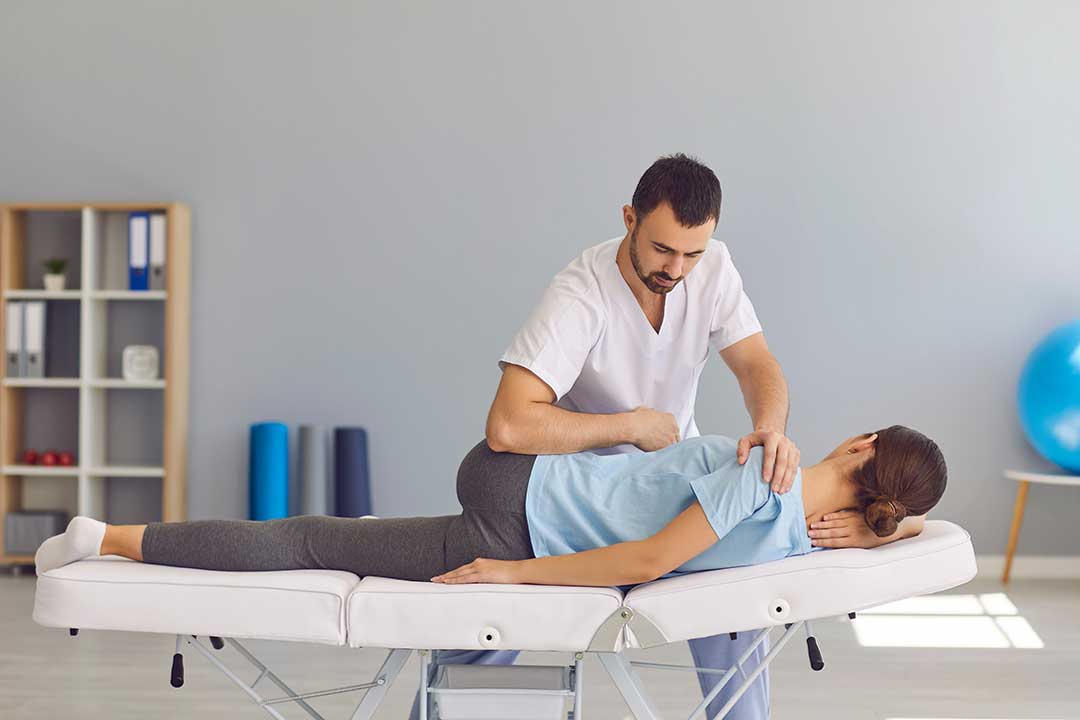
Chiropractic care is considered a complementary option that some pregnant patients explore, but it should not replace pregnancy evaluation. Anyone considering spinal or pelvic treatment should first discuss it with the obstetric care team and clearly tell the chiropractor about the pregnancy, symptoms, medical history, and any activity restrictions. Treatment should be adapted for pregnancy rather than using a routine approach. Mayo Clinic notes that some studies suggest chiropractic treatment may help, while also advising consultation with the pregnancy care professional first. ([mayoclinic.org](https://www.mayoclinic.org/healthy-lifestyle/pregnancy-week-by-week/in-depth/pregnancy/art-20046080?utm_source=openai))
Are pain medicines safe during pregnancy?
Do not assume that an over-the-counter pain reliever is safe simply because it does not require a prescription. Medication choices can depend on the trimester, health history, other medicines, and pregnancy complications. Ask the obstetric care team or pharmacist before taking pain medicine, including anti-inflammatory drugs, topical products, or supplements. A clinician may recommend acetaminophen in some situations, but the correct product and dose should be confirmed for the individual. ([mayoclinic.org](https://www.mayoclinic.org/healthy-lifestyle/pregnancy-week-by-week/in-depth/pregnancy/art-20046080?utm_source=openai))
When should pregnancy back pain be checked promptly?
Contact the obstetric care team for severe pain, pain that follows a fall or injury, or discomfort that persists for more than about two weeks. Back pain can sometimes be linked with conditions that require treatment rather than home care. ([acog.org](https://www.acog.org/womens-health/faqs/back-pain-during-pregnancy?utm_source=openai))
Seek urgent medical advice if back pain occurs with:
- Fever or chills
- Burning or pain during urination
- Pain under the ribs or along one side
- Vaginal bleeding
- Regular cramping or contractions
- Leakage of amniotic fluid
- New numbness in the legs, buttocks, or genital area
- Trouble walking or weakness that affects balance
These symptoms may signal infection, early labor, nerve involvement, or another pregnancy complication. When in doubt, calling the pregnancy care team is safer than trying to manage unexplained symptoms at home. ([nhs.uk](https://www.nhs.uk/pregnancy/common-symptoms/back-pain/?utm_source=openai))
IMAGE_ALT:
Pregnant woman walking slowly outdoors with one hand supporting her lower back.
