
 See Our Latest Article on HelloNation

What Are Mobility Exercises and Why Do Local Residents Benefit From Them?
Mobility exercises are gentle movements designed to improve how joints and muscles move throughout their natural range. Residents of Dryden, NY often find that regular mobility routines support comfortable daily living, especially during long winters or after periods of inactivity. These movements help reduce stiffness, prepare your body for more activity, and can make everyday tasks—like gardening, walking a pet, or shoveling snow—easier and safer.
Maintaining mobility is especially valuable for area households where jobs or hobbies might keep people seated for long stretches. Even spending extra time indoors during cold or icy months can make joints feel less adaptable. Local chiropractors often emphasize that simple routines at home can go a long way toward preserving joint function and comfort year-round.
What Are Some Safe At-Home Mobility Exercises?
There are several easy-to-learn mobility exercises suitable for most adults and teens, requiring no equipment beyond a stable chair or soft floor surface. These exercises target major joints and muscle groups commonly affected by stiffness.
- Neck Turns and Tilts: Gently turn your head side-to-side, then tilt your ear toward each shoulder. Try to keep movements slow and within a comfortable range.
- Shoulder Circles: Roll your shoulders forward and backward in slow, controlled circles, loosening tension that can build up during desk work or carrying groceries.
- Seated Hip Openers: Sitting upright on a chair, cross an ankle over your knee and gently lean forward until you feel a stretch in your outer hip, then switch sides.
- Knee-to-Chest Stretch: Lying on your back, pull one knee toward your chest and hold, then alternate. This supports lower back and hip mobility.
- Ankle Rolls: While seated, lift one foot and rotate your ankle in slow circles both directions, which can help stay nimble on uneven sidewalks or local trails.
Always move slowly and don’t push through pain. If a movement causes sharp discomfort or tingling that doesn’t resolve, it’s wise to stop and reassess.
How Often Should Mobility Exercises Be Done for Meaningful Benefit?
Doing mobility exercises most days of the week works best for most local residents. Even small amounts—about 10–15 minutes—can support joint health if performed consistently.
- Some Dryden community members prefer short daily sessions, such as after waking up or before bed.
- Others find brief routines following outdoor activities, like raking leaves or snow removal, help prevent soreness.
- Consistency is more helpful than occasional long sessions.
People with certain health conditions or after injuries should consult their primary care provider before starting new movement routines, especially if under current medical care.
Are These Exercises Useful for All Ages?
Most mobility exercises can be adapted for adults of any age, including older residents. For children and teens, adding gentle movements can help counteract screen time and long school days. Older adults often find these routines support the ability to move safely at home or outdoors, especially during times of slippery sidewalks or when tackling uneven ground on local hiking paths.
Modifications, like performing stretches from a sturdy chair or using a pillow for support when lying down, can make routines accessible even for those with reduced flexibility or balance.
What Should Area Residents Avoid When Doing Mobility Exercises?
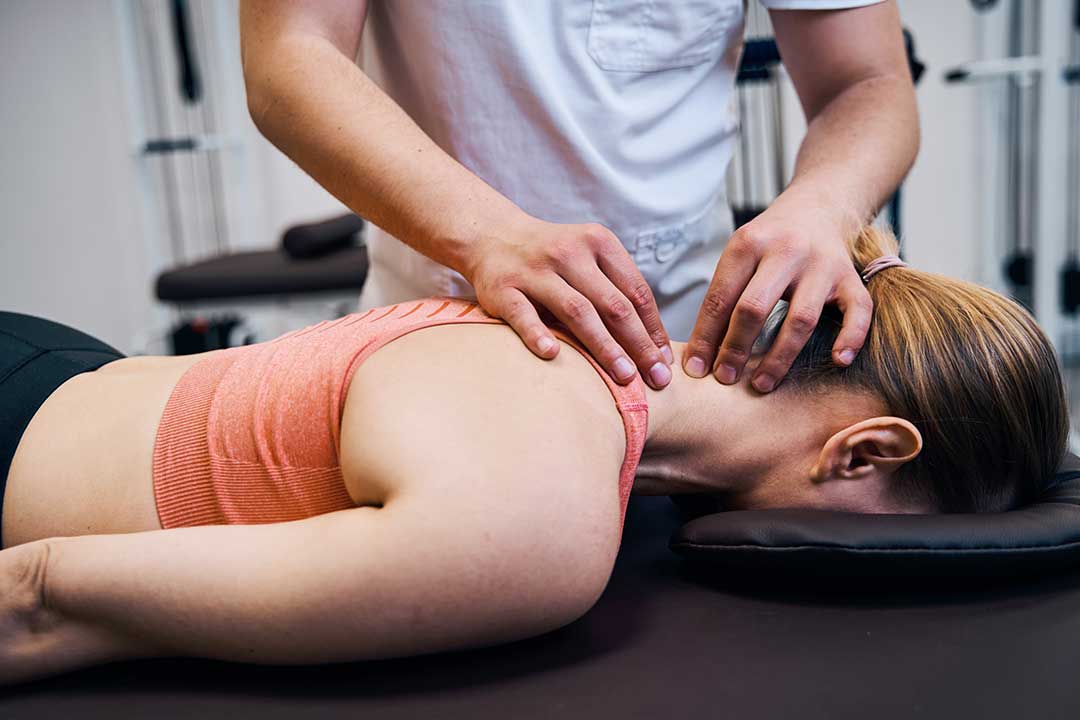
Avoid common mistakes to ensure at-home routines remain safe and effective:
- Do not bounce or sharply “jerk” your body into a stretch.
- Skip exercises if you’re feeling ill or have a fever.
- Don’t hold your breath—steady, relaxed breathing supports healthy movement.
- Avoid doing these routines immediately after a heavy meal for your own comfort.
- Never continue an exercise if it causes dizziness, numbness, or severe pain.
Mild stretching and gentle mobility work should feel relieving, not straining. If an exercise consistently feels uncomfortable even with modifications, consider focusing on other movements that feel better suited to your own body.
How Can Local Factors in Dryden Affect At-Home Mobility Routines?
Living in Dryden means adjusting routines based on seasonal patterns. In colder months, joints may feel stiffer first thing in the morning, making gentle warm-up movements especially valuable. Residents may wish to do exercises near a heater or after a warm shower. Conversely, in summer, local outdoor enthusiasts often benefit from post-activity mobility routines to help with muscle recovery after hiking or gardening.
Homes with limited floor space or shared living arrangements might call for seated or “chair-based” routines, which can be just as beneficial. Longtime residents who spend time in older houses with stairs or different floor heights may find ankle and hip mobility especially important for safely navigating multiple levels indoors.
For families with busy schedules, even standing stretches in the kitchen or living room while waiting for the kettle can add up to meaningful mobility support.
Can Mobility Exercises Prevent Local Injuries?
Gentle mobility routines help prepare the body for activity and may reduce risk of sprains, strains, and falls when performed routinely. This is particularly important before seasonal yard work, snow shoveling, or community events that involve standing or walking. It’s a misconception that only athletes or fitness enthusiasts need these movements; active retirees, local workers, and those managing chronic stiffness or minor aches also see benefit.
Focusing on flexibility and healthy joint movement can offer a buffer against many minor strains and injuries common in the community, especially on days with icy sidewalks or after heavier household chores.
